Weight Loss in practice
How to optimise metabolism for
sustainable weight control
Sat. 6th June
London
9.30am till 5.00pm
Ticket price: £90.00
Speakers
Experience and expertise in all things involved in health, safe, appropriate and sustainable weight loss
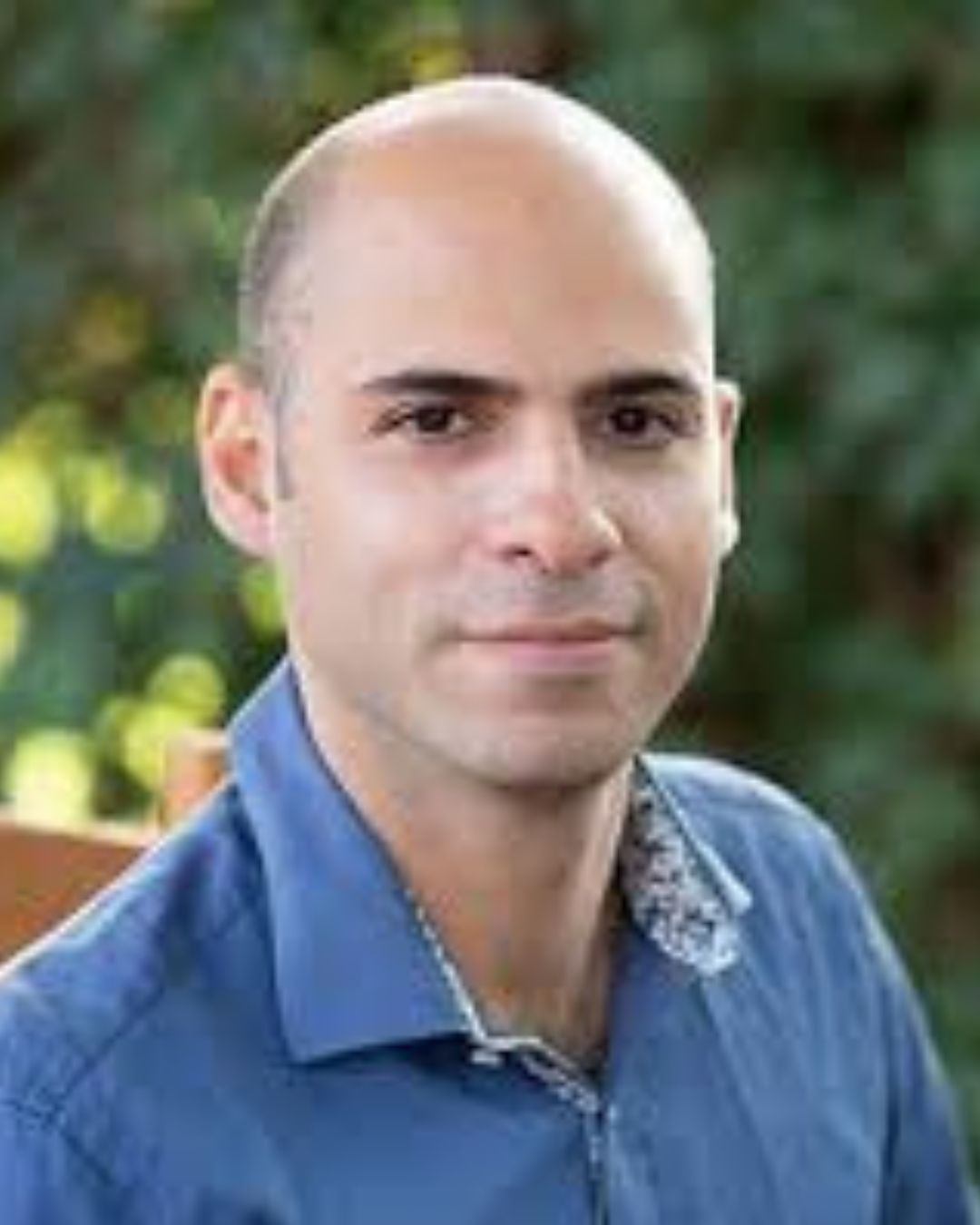
Paul Micheal
BA, BSc MCPP
Paul Michael is an experienced medical herbalist, speaker, and founding member of the Endobiogenic Medicine Society UK. With over 20 years in practice, he integrates herbal medicine, nutrition, lifestyle, and mind–body approaches. He trained extensively in endobiogenic medicine under Dr. Jean-Claude Lapraz.
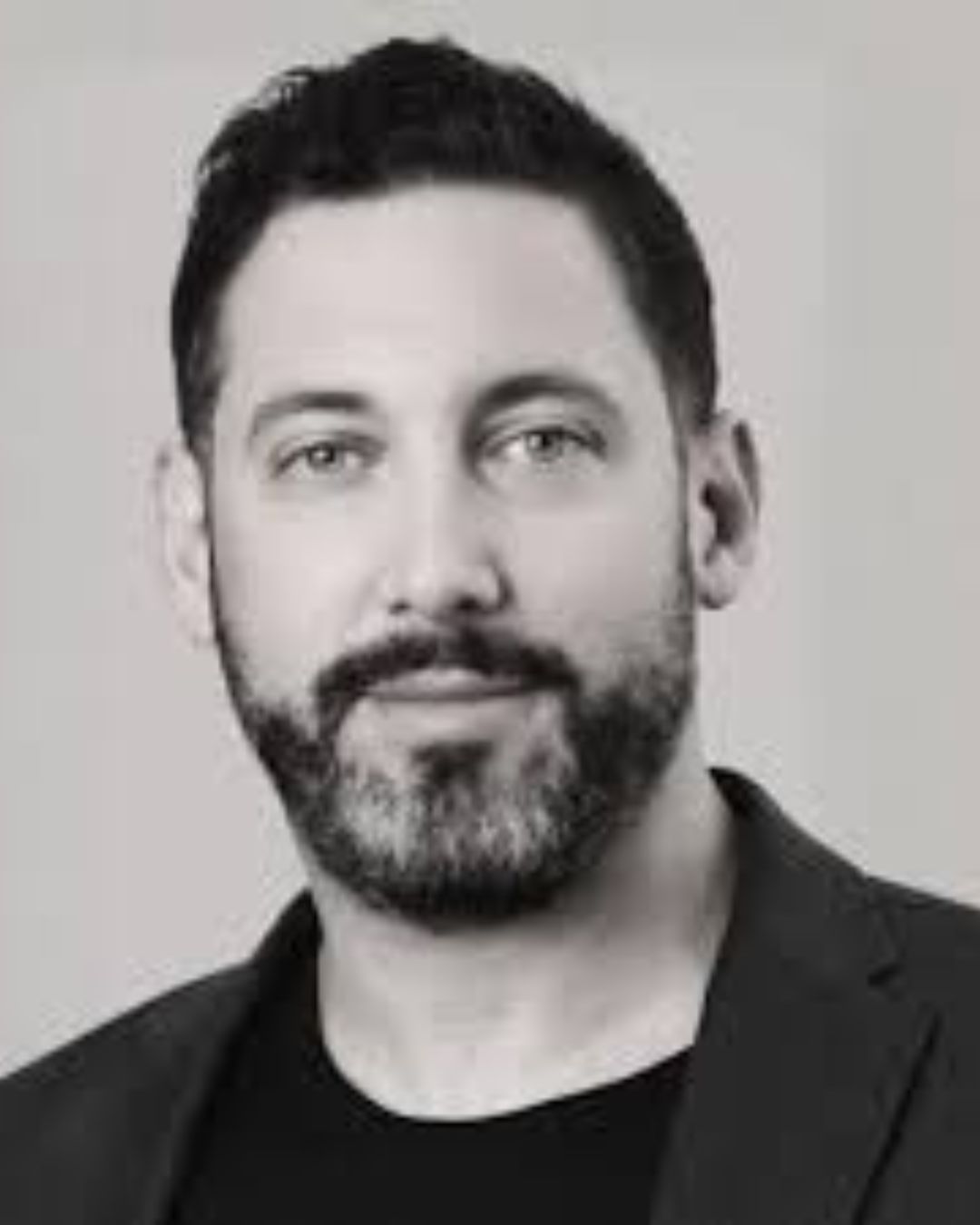
Dr. Haroldo Magarinos
ND
Dr. Haroldo Magarinos is a Chilean dentist and naturopathic doctor specialising in oral health and the microbiome. He integrates conventional and naturopathic care, focusing on the oral-gut axis, environmental toxins, and detoxification. He is also co-founder of DetoxU.

Dr Shania Lee
ND
Dr Shania Seeber is a Naturopathic Doctor with over 20 years of experience in private practice, integrative clinics, and lab support. She specialises in functional medicine and testing to uncover root causes of disease. She is also the author of Good Stuff In + Bad Stuff Out = Health, focused on modern health strategies.

Virgina Blake
BSc, MSc
Virginia Blake is a nutritional therapist specialising in chronic and complex illness, with over 15 years’ experience across clinical practice, education, and research. She focuses on personalised, functional approaches, helping clients achieve lasting results through minimal change for maximum impact.

Charlotte Hunter
BSc, MSc
Charlotte Hunter is a Registered Nutritional Therapist specialising in menopause cases. After experiencing surgical menopause, she founded Charlotte Hunter Nutrition to empower women through evidence-based food, supplement, and lifestyle strategies. She is known for the Menopause Midsection Makeover program and a test, dont guess approach using functional testing like the Hormone Insights Test by KBMO.

Christine Bailey
MSc, BSc (Nutrition), PgDip IOPN, AFCMP
Christine Bailey is an award-winning Registered Nutritionist, performance nutritionist, chef, and author with over 20 years’ experience. A two-time Catey Award winner, she specialises in functional and performance nutrition, working across clinical and corporate settings. She is Head of Nutrition at Metagenics UK & Ireland and a published author.
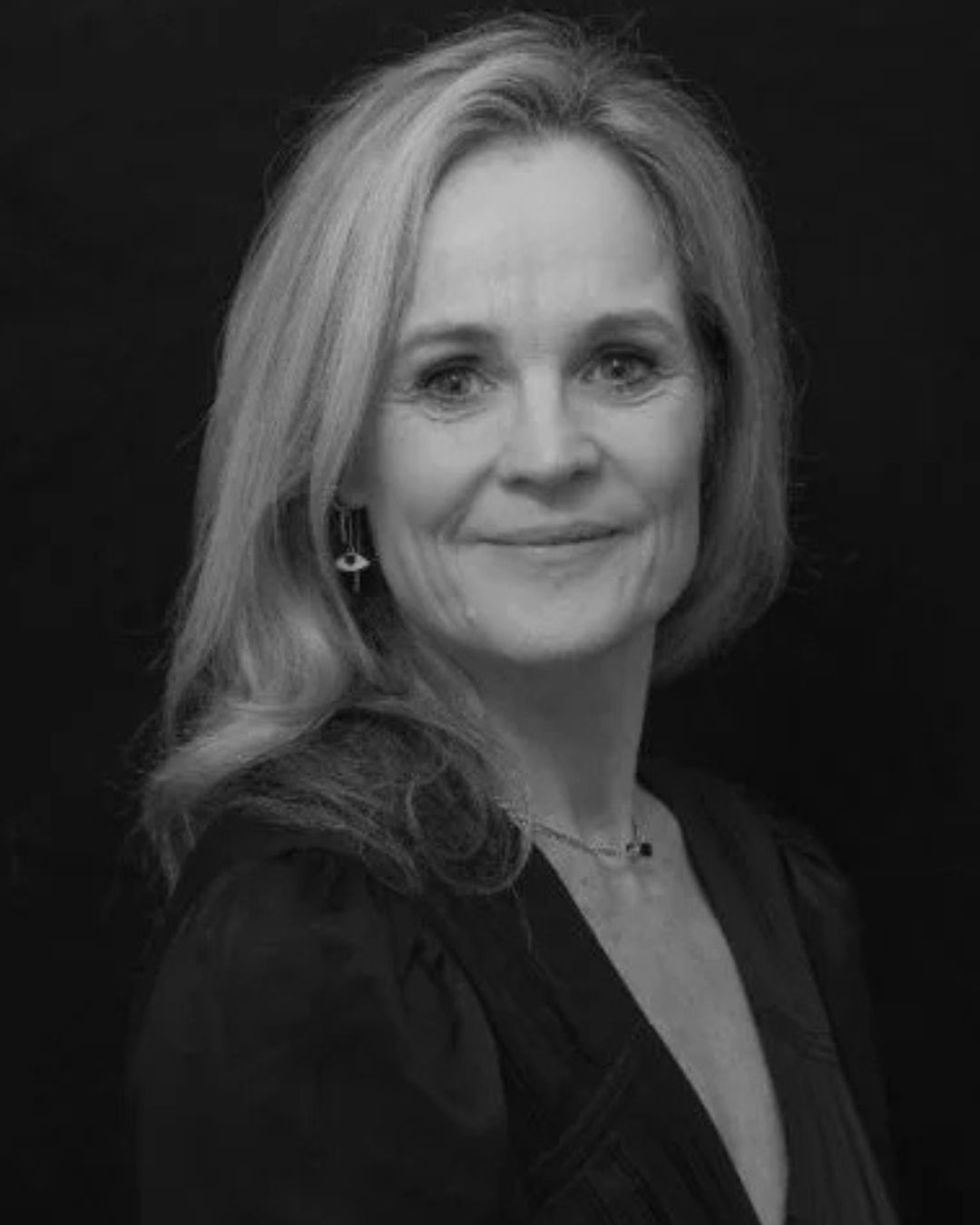
Rhian Jones
BSc, MSc
Rhian runs a successfully private practice, Botanical
Boutique. She also lectures on a variety health subjects on a part time basis but has a particular interest in obesity and weight loss
Agenda
How to reduce 'food noise'
By Paul Michael, BA, BSc MCPP
Rather than seeing “food noise” or cravings as purely behavioural, this session reframes them as outputs of nervous system activity.
This session explores the often-overlooked link between the nervous system and the pancreas—and how this connection shapes hunger, satiety, digestion, insulin production, serotonin, and blood sugar regulation.
We’ll look at how vagal input to the pancreas coordinates enzyme release, insulin signalling, and even aspects of brain chemistry linked to appetite.
Rather than relying on restriction or willpower, this approach focuses on rebalancing nervous system input to reduce food noise, stabilise appetite, and support sustainable weight regulation.
Its not just about what the client is eating, but how their nervous system is directing metabolic function.
How to Optimise Detox and Microbiome Function
for Metabolism
Dr Haroldo Magarinos, ND
Emerging research highlights that detoxification is not solely a hepatic process—it is deeply influenced by the structure and function of the gut microbiome.
In this advanced session, we’ll explore key microbial patterns associated with impaired detoxification and metabolic dysfunction, including reduced diversity, loss of butyrate-producing species, overgrowth of β-glucuronidase-producing microbes, and imbalances within the oestrobolome.
We’ll examine how these patterns impact toxin biotransformation, recirculation of hormones, inflammatory signalling, and metabolic efficiency.
We’ll also explore strain-specific probiotic interventions, including, gut barrier integrity, inflammatory responses, toxin binding, metabolic signalling, gut–liver axis support , oestrogen metabolism and butyrate production.
Attendees will gain a clearer understanding of how to identify microbiome patterns in clinical practice and apply precision probiotic strategies to enhance detoxification capacity and optimise metabolic outcomes.
The Subclinical Client:
Shifting The Hidden Metabolic Levers
Dr Shania Lee (ND)
Not all weight challenges present with clear clinical diagnoses. Many clients sit in the “subclinical” space, where standard markers fall within range, yet symptoms persist and progress remains limited.
In session, Dr Shania Lee will explain how to identify subtle dysfunctions that can quietly disrupt metabolic balance, including thyroid dysregulation, blood sugar instability, gut-driven inflammation, hormonal disruption and undiagnosed food-related patterns.
You will learn to recognise key clinical clues such as:
• Suboptimal thyroid function despite “normal” lab ranges
• Hidden drivers of insulin resistance and metabolic inflexibility
• The impact of food sensitivities and disordered eating patterns on metabolism
• Stress, cortisol rhythms, and their influence on hormones and weight regulation
You’ll learn how to connect these subclinical patterns into a coherent clinical picture and apply targeted, nutrition-led interventions to rebalance core metabolic levers.
Tired, Hungry and Heavy:
The hidden drivers of metabolic sluggishness and low energy
Virginia Blake
In this session, Virginia explains how fatigue and weight gain can be linked to poor detoxification and environmental toxin exposure.
We’ll look at how to assess detox pathways (phase I and II), oxidative stress, and toxic load through functional testing—alongside how to interpret these results clinically. The case highlights common contributors such as toxins from vaping, personal care products, tattoo ink, insecticides, plastics, and endocrine disruptors.
Practical strategies will be covered, including dietary support, targeted supplements, binders, and lifestyle changes to support detoxification.
The focus is on a safe, phased approach—particularly for patients with fatigue and reduced metabolic capacity.
Beyond Weight Gain: Precision Cardiometabolic Assessment and Nutritional Intervention in Menopause
Chistine Bailey RNutr. BANT AFMCP
Cardiovascular risk doesn't suddenly appear after menopause - it starts shifting earlier, during perimenopause, and accelerates in ways that standard testing routinely misses.
While weight gain and metabolic health are often the primary clinical focus, the cardiometabolic consequences of oestrogen decline run deeper: atherogenic lipid shifts, endothelial dysfunction, insulin resistance, and chronic inflammation converge simultaneously, creating a window of risk that demands attention long before cardiovascular disease becomes apparent.
This session examines why the same hormonal and metabolic drivers of menopausal weight gain also accelerate cardiovascular risk. Through a detailed case study, we explore how the Doctor's Data Cardiometabolic panel and HuMap hormone assessment can work together to personalise intervention. The session will include practical nutritional intervention framework targeting the full cardiometabolic cascade.
How to shift the body from fat storage to fat burning
By Charlotte Hunter
This session will untangle why the body shifts into fat storage rather than fat burning, and how the gut–immune–metabolic axis drives this metabolic switch, often despite appropriate diet and lifestyle interventions.
Learn how disrupted hormonal signalling and altered energy partitioning influence this shift, including
Leptin, Insulin, Ghrelin, and Cortisol
Learn how to:
Identify why clients may be “stuck” in fat storage despite doing the right things
Interpret gut testing through the lens of immune-driven metabolic adaptation
Understand how inflammation and stress biology impair fat oxidation
Apply targeted, evidence-informed strategies to shift clients back toward fat burning
The Menopause Belly Explained: Root Causes & Practical Strategies for Practitioners
By Christine Bailey,
Menopause-related weight gain, particularly central fat accumulation or the so-called “menopause belly,” remains one of the most clinically challenging presentations in practice, often leaving many women feeling frustrated by a lack of progress
This session takes a functional medicine, systems-based approach to menopause-associated weight gain, moving beyond surface-level advice to explore the hormonal, metabolic, and inflammatory drivers that underpin this shift.
There is a strong emphasis on practical, evidence-based strategies throughout, equipping practitioners with clear, actionable recommendations across nutrition, supplementation, exercise, and lifestyle interventions - all designed for easy application in clinical practice.
Attendees will leave with a clear understanding of the root causes of menopausal body composition changes, and a practical clinical framework for more sustainable outcomes in practice.
Precision Nutrition:
Individualising Macros to Drive Satiety & Blood Sugar Control
By Rhian Jones
Macros and micronutrients are not one-size-fits-all—they must be individualised to the client in front of you.
To effectively stabilise blood sugar at a level that promotes fat burning while enhancing satiety, nutrition needs to be tailored to the individual’s physiology—not just their calorie intake.
Factors such as age, target weight, hormonal profile, and stress levels all influence how the body responds to food. In particular, managing cortisol is critical, as chronic stress can override even the best-designed nutrition plan—driving cravings, impairing satiety, and pushing the body toward fat storage.
In this session, I’ll show you how to move beyond generic macro prescriptions and instead apply a precision-based approach—using macros and micros strategically to regulate blood sugar, support hormonal balance, and optimise metabolic outcomes.
You’ll leave with a clear nutrition playbook you can apply to every client—so you can confidently personalise intake, stabilise energy, and help clients shift into fat burning while naturally reducing overeating.
Our Sponsors





Frequently Asked Questions
Are refreshments included?
No. We wanted to keep the event as accessible as possible so we have not included food. Hot drinks and water will be available all day.
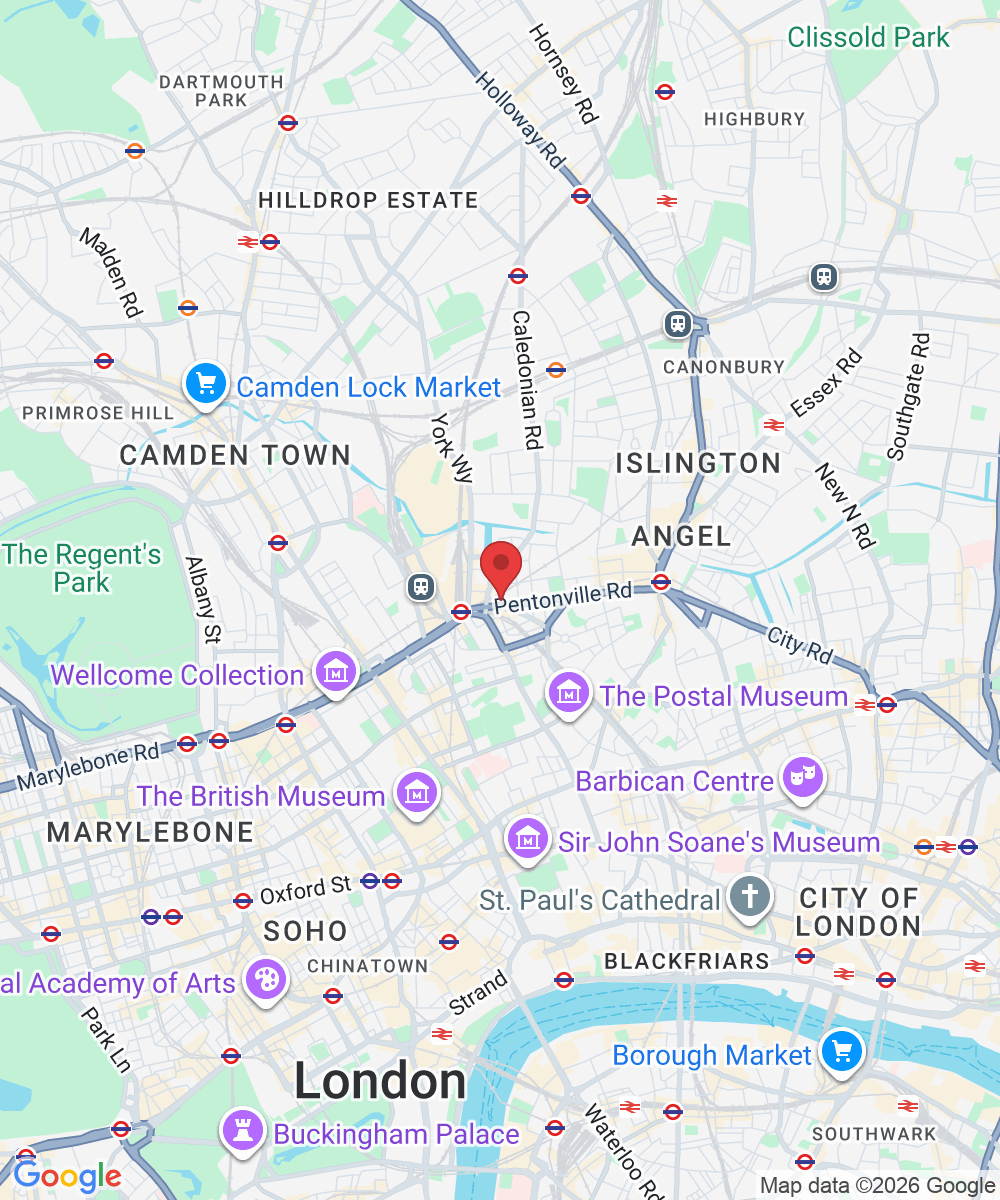
What's the nearest tube?
The Venue is a short, 2 minute walk from Kings Cross St Pancreas station.
Will we get the recordings and slides?
Absolutely! We're not recording the visuals, only the audio
I'm not a nutritional therapist, can I still attend?
We welcome all professionals and students that work within the health field.
How many CPD hours is it?
Each attendee will get a certificate confirming 5 CPD hours.
Can I pay at the door?
Unfortunately, we have no way of processing ticket sales on the door. Advanced booking is strongly advised.
Directions
Kings House
Kings House
242 Pentonville Road
London
N1 9JY
Event times
Saturday 6th June
9.30am till 5.30pm
Contact